India’s hospitality industry is witnessing an interesting transformation, with new hotel brands reshaping the country’s accommodation landscape. From established luxury groups introducing fresh concepts to international hospitality companies exploring the Indian market, the hotel sector is becoming more diverse, competitive and experience-driven. Luxury retreats, boutique properties, contemporary business hotels and lifestyle resorts are finding their place in a market where travellers have increasingly varied expectations. The changing face of Indian hospitality is closely linked to the way people travel today. Travellers are looking beyond conventional hotel stays, seeking properties that offer distinctive experiences, local connections, personalised services and a strong sense of place. Whether it is a luxury retreat in the mountains, a heritage property steeped in history or a contemporary business hotel in a commercial centre, the emphasis is shifting towards creating stays that are as memorable as the destinations themselves.
Recognising this shift, established hotel groups are moving beyond their flagship identities, while international players are bringing new concepts and partnerships into India. One of the most significant developments in the hospitality sector is the emergence of multi-brand portfolios. Rather than operating under a single identity, hotel companies are creating distinct brands to cater to different traveller segments, budgets and preferences.

WelcomHeritage Hotels
ITC Hotels offers an interesting example of this approach. Following its demerger from ITC Limited in January 2025, the company entered a new phase as an independent hospitality entity. Its portfolio includes the flagship ITC Hotels brands, Mementos, Welcomhotel, Storii, Fortune Hotels and WelcomHeritage, while Epiq Collection adds another dimension to its premium hospitality offerings. This approach allows ITC Hotels to address different segments without compromising the identity of individual brands. It also reflects a wider industry trend in which the experience a hotel offers is becoming as important as its location and category.
India’s tourism potential has attracted considerable attention from international hospitality groups, many of which are introducing new brands and establishing partnerships with domestic operators. Wyndham Hotels & Resorts is among the global players strengthening its presence in the country. With a portfolio spanning economy, midscale, upscale, and luxury hospitality, the company serves a wide range of travellers and destinations. Its partnership with Cygnett Hotels & Resorts marks an important development, with plans to introduce La Quinta by Wyndham and Registry Collection Hotels to India and the wider South Asian region. The collaboration envisages more than 60 hotels across India, Bangladesh, Sri Lanka and Nepal over a decade.
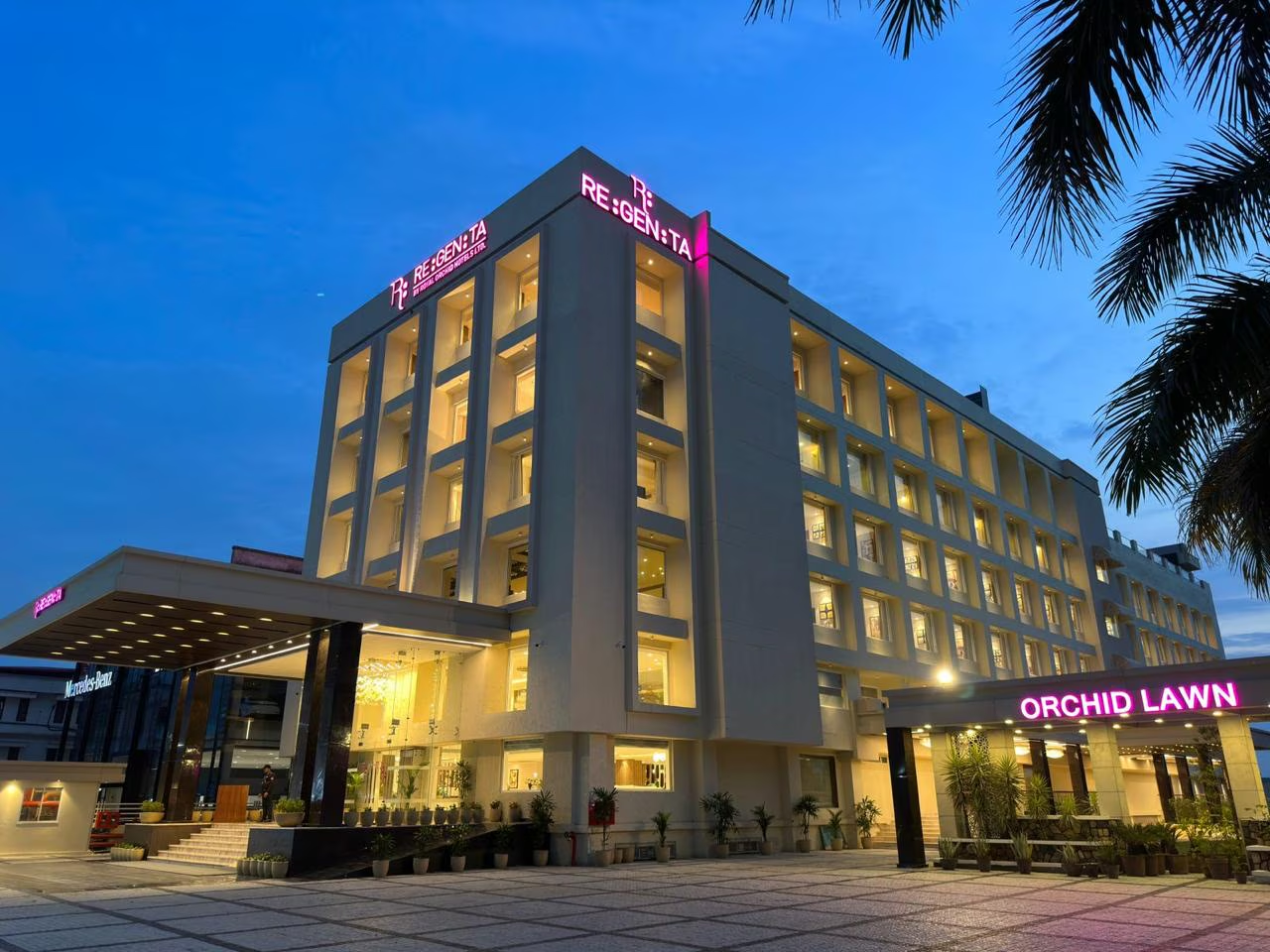
Regenta Hotels
Similarly, IHG Hotels & Resorts is adding new dimensions to its Indian portfolio through brands such as Garner while preparing to introduce Vignette Collection to the market. Marriott International, through initiatives such as Series by Marriott, is creating opportunities to bring independent and distinctive properties into its global hospitality network. These developments demonstrate how international hotel companies are adapting their offerings to India’s varied hospitality landscape, where established metropolitan markets and emerging destinations present different possibilities.
Beyond conventional luxury and business hotels, boutique and lifestyle hospitality is becoming an important part of the industry. Travellers are increasingly drawn to properties that offer something beyond standard accommodation, whether through distinctive architecture, regional cuisine, wellness experiences or a strong connection with local culture. This has encouraged hotel companies to develop brands centred on individuality and destination-led experiences. Heritage hotels, intimate retreats, nature resorts and design-led properties are finding a stronger place in India’s hospitality landscape.

Trishvam Palolem, Goa
For destinations such as Rajasthan, Kerala, Himachal Pradesh, and the Northeast, these concepts offer opportunities to showcase local traditions, architecture and natural surroundings through hospitality. Independent hotel owners, meanwhile, can retain the character of their properties while benefiting from the distribution networks, loyalty programmes and operational expertise of established hotel groups. The popularity of this segment reflects a change in how travellers perceive accommodation. A hotel is no longer simply a place to unwind after sightseeing; it is increasingly becoming an important part of the overall travel experience.
Another defining aspect of India’s changing hotel landscape is the growing presence of branded accommodation in Tier II and Tier III cities. While Mumbai, Delhi, Bengaluru and Hyderabad remain important hospitality centres, destinations such as Indore, Lucknow, Coimbatore, Guwahati and Bhubaneshwar are attracting greater attention from hotel operators. Improved road and air connectivity, infrastructure development, regional business activity and pilgrimage tourism are contributing to this shift. Smaller cities are gradually becoming important destinations for both business and leisure travellers, creating a need for professionally managed accommodation.

O by Tamara Trivandrum
Franchise and management agreements are also playing an important role in this development. Through this arrangement, hotel companies partner with local developers and property owners, bringing their brand recognition, operational expertise and distribution systems to individual properties. This model allows owners to benefit from established hospitality networks while enabling hotel groups to enter new markets without necessarily owning every property. While international hotel groups are bringing familiar global names to India, domestic hospitality companies are carving out their own space in the market. Companies such as Chalet Hotels, Sayaji Hotels, Lemon Tree Hotels, The Fern Hotels & Resorts and Concept Hospitality are exploring different segments, from premium business accommodation to boutique resorts and destination-led stays.
Their offerings reflect an understanding of India’s diverse travel preferences, regional markets and hospitality requirements. From properties designed for business travellers to resorts that focus on leisure, wellness and local experiences, homegrown brands are adding greater variety to the country’s hotel industry. They are also contributing to a more competitive environment, where service standards, brand identity, value for money and the ability to create memorable guest experiences are becoming important differentiators.

Cygnett Hotels, Jaipur
The emergence of new hotel brands is more than a story of new properties and international signings. It reflects a fundamental change in how the hospitality industry understands its guests and approaches the business of accommodation. For investors and developers, the expanding brand landscape offers different partnerships and operating models. For destinations, the arrival of recognised hotel names can bring greater visibility, employment and tourism activity. For travellers, it means a wider selection of stays, from internationally recognised luxury hotels to independent boutique properties with a distinct local character.

“Branded hotels account for approximately 8–9% of India’s overall hospitality market, reflecting a trend seen across the world. The country currently has around 200,000 branded hotel rooms, a figure expected to reach 300,000 by 2030, according to industry estimates. With construction activity gaining momentum and travel demand expanding, more property owners are opting to associate with established hotel brands, ranging from international chains to homegrown Indian hospitality groups. Branding offers significant advantages to both hotel owners and travellers, with trust being one of its strongest attributes. Established brands create expectations of consistent quality, reliable service and memorable experiences, allowing them to command premium rates and build customer loyalty.
For owners, brand affiliation brings instant market recognition, established customer networks and greater business visibility. Access to proven operational standards and marketing capabilities can accelerate returns on investment while reducing business risks. As travellers increasingly seek quality accommodation and dependable experiences, branded hospitality is emerging as a long-term growth opportunity, attracting both domestic and international hotel operators to India,” said Abinash Manghani, Former CEO, WelcomHeritage and Director – South Asia, TUI Hotels & Resorts.

“Today’s travellers seek more than accommodation; they look for consistency, trust, distinctive experiences and value for money. This presents tremendous opportunities for established chains and emerging homegrown brands alike. One of the most exciting developments is the growing acceptance of branded hotels in Tier 2 and Tier 3 cities, as well as remote destinations. With business travel, domestic tourism and leisure travel expanding beyond metropolitan markets, the demand for professionally managed hospitality is increasing. Another critical challenge facing the industry is the shortage of skilled manpower. Independent hotels and resorts often struggle to attract, train and retain qualified employees. Organised hotel brands can make a significant difference by identifying the right talent, building structured training systems and developing employees to meet industry standards.
At TGI Hotels, our multi-brand strategy reflects our belief in differentiated hospitality. FRESSOTEL caters to the value and business hotel segment, while TGI represents our midscale hotel and resort offerings. TRISHVAM focuses on the luxury resort segment. Each brand is designed to serve a distinct guest profile and experience expectation. Ultimately, building a successful brand goes beyond logos and marketing. It requires operational excellence, technology, empowered teams and consistent guest experiences,” said Amitava Roy, Founder and CEO, TGI Hotels & Hospitality Services Pvt. Ltd.

“India’s hospitality market is witnessing a clear shift. Travellers increasingly look for consistency, trust and a reliable experience, while owners seek partners who can deliver brand equity, distribution strength and operational systems without heavy capital commitment. This dual demand has accelerated the rise of well-defined hotel brands across the country. At Royal Orchid Hotels, we developed Regenta as a contemporary, value-driven brand designed for the modern Indian traveller. Today Regenta forms the core of our portfolio of over 120 hotels and resorts.
A significant recent milestone has been our strategic partnership with Hilton to develop 125 Hampton by Hilton hotels across six states in western and southern India. Hampton sits naturally within our brand family, offering owners and guests an internationally recognised upper midscale option while complementing the Regenta range. As domestic travel continues to expand, brands that balance consistency with accessibility will shape the next phase of Indian hospitality,” stated Keshav Baljee, Executive Director, Royal Orchid & Regenta Hotels.

“The growing popularity of hotel brands in India reflects how the hospitality market is changing. Travellers today are looking for more than a place to stay. They want the assurance of a name they trust, the quality of experience it promises and, increasingly, an offering that speaks to the reason they are travelling. This is creating room for hotel brands with a clearer sense of identity and a distinct understanding of their guests. Each brand must have its own character and proposition, but there should be an underlying philosophy that guests recognise across them. At Tamara Leisure Experiences, this comes through in the distinct experiences offered across our brands, from The Tamara Resorts and our newest address, The Tamara Marina Alleppey, to Rae by Tamara, O by Tamara, Lilac by Tamara and Amal Tamara, all rooted in our philosophy of responsible and memorable hospitality.
As hotel groups expand, particularly through asset-light models, preserving this philosophy becomes even more important. The right partnerships are those where owners and operators share an understanding of what the brand stands for and the experience it must deliver. Ultimately, a hotel’s reputation is built over time, through the trust it earns from its guests and the consistency with which it honours its promise,” added Samir MC, CEO, Tamara Leisure Experiences.
As India’s tourism sector continues to evolve, the country’s hospitality landscape will become increasingly diverse. Established groups will continue to refine their brand portfolios, international operators will bring new concepts to the market, and homegrown companies will introduce experiences rooted in India’s varied destinations and culture. Ultimately, the next chapter of Indian hospitality will not be defined simply by the number of hotels being built but by the identities they create and the experiences they deliver. In a market where travellers are looking for more meaningful and memorable stays, the brands that understand their expectations will be the ones that leave a lasting impression.